 Prince Hall Affiliation
Prince Hall Affiliated Freemasonry: History, Lineage, and Legacy
Discover the origins, heritage, institutions, and enduring legacy of Prince Hall Affiliated Freemasonry.
Prince Hall Affiliated Freemasonry, commonly known as PHA, traces its Masonic heritage to African Lodge No. 459 and the extraordinary legacy of the Honorable Prince Hall. Explore his life and contributions, the origins and development of this historic Masonic tradition, the institutions that grew from it, and the lineage that carries his legacy forward today.
What Is PHA?
PHA stands for Prince Hall Affiliated, a designation that identifies a distinct Masonic lineage, tradition, and jurisdictional heritage within Freemasonry.
Prince Hall Affiliated Freemasonry traces its origins to the Honorable Prince Hall and African Lodge No. 459, chartered by the Premier Grand Lodge of England in 1784. From that foundation developed a historic Masonic lineage carried forward through sovereign Grand Lodges, their constituent Lodges, and affiliated Masonic institutions.
PHA is not a single centralized Masonic organization. Each Grand Lodge is sovereign within its jurisdiction and governs according to its own constitution, laws, and Masonic authority. What unites the Prince Hall Affiliated tradition is a shared historical lineage rooted in Prince Hall, African Lodge No. 459, and the Masonic institutions that developed from that foundation.
To understand what Prince Hall Affiliated means is to understand its origins, its lineage, its jurisdictions, and the legacy that has connected generations of Freemasons for more than two centuries.
Prince Hall Affiliation
noun | also Prince Hall Affiliated (adjective)- The status of a Masonic Grand Lodge, lodge, or member that traces its lineage to African Lodge No. 459 of Boston, chartered in 1784, and that belongs to the family of Prince Hall Grand Lodges recognized as regular by one another.
- Membership in, or connection to, the body of Prince Hall Grand Lodges represented in the Conference of Grand Masters of Prince Hall Masons, which serves as the common forum on questions of regularity among them.
- Applied to appendant and concordant bodies (for example, Order of the Eastern Star, PHA), the designation indicating that the body works under, and requires membership in, a Prince Hall Affiliated Grand Lodge.
What Is Prince Hall Affiliated Freemasonry?
Prince Hall Affiliated Freemasonry is a historic branch of the worldwide fraternity of Freemasonry, rooted in the Masonic tradition established through the Honorable Prince Hall and African Lodge No. 459 in Boston.
Like Freemasonry throughout the world, PHA is founded upon principles of brotherhood, moral development, charity, and service. Through ritual, symbolism, and instruction, Freemasons use the working tools and traditions of operative stonemasonry as symbols for building character, strengthening the bonds of brotherhood, and encouraging lives of integrity, responsibility, and service to humanity.
What distinguishes Prince Hall Affiliated Freemasonry is its historic lineage and the institutions that grew from the efforts of Prince Hall and the earliest Black Freemasons in America. From those beginnings emerged a Masonic tradition that has endured for more than two centuries, establishing Lodges, Grand Lodges, and affiliated institutions while preserving a shared heritage within the broader fraternity of Freemasonry.
A Brotherhood
A fraternity of men joined by shared values and Masonic obligations, committed to brotherly love, mutual support, personal integrity, and respect for one another.
A School of Moral Teaching
Through the three symbolic degrees of Entered Apprentice, Fellowcraft, and Master Mason, Freemasonry uses ritual, allegory, and symbols such as the Square and Compasses to teach enduring lessons in morality, integrity, charity, faith, and the development of character.
A Commitment to Service
Charity and relief are longstanding expressions of the Masonic tradition. From the time of Prince Hall to the present, Prince Hall Freemasons and their institutions have supported those in need, cared for widows and orphans, expanded educational opportunity, and served the communities in which they live and work.
A Family of Sovereign Grand Lodges
Prince Hall Affiliated Freemasonry is organized through sovereign Grand Lodges, each exercising Masonic authority within its own jurisdiction and governing according to its constitution and laws. Together, they share a historic lineage, Masonic tradition, and heritage rooted in Prince Hall and African Lodge No. 459.
About PHA Grand LodgesTo be a Prince Hall Affiliated Freemason is to stand in a line that runs unbroken from Prince Hall and African Lodge to the present day, and to carry forward his work of faith, freedom, education, and brotherhood.
Who Was Prince Hall?
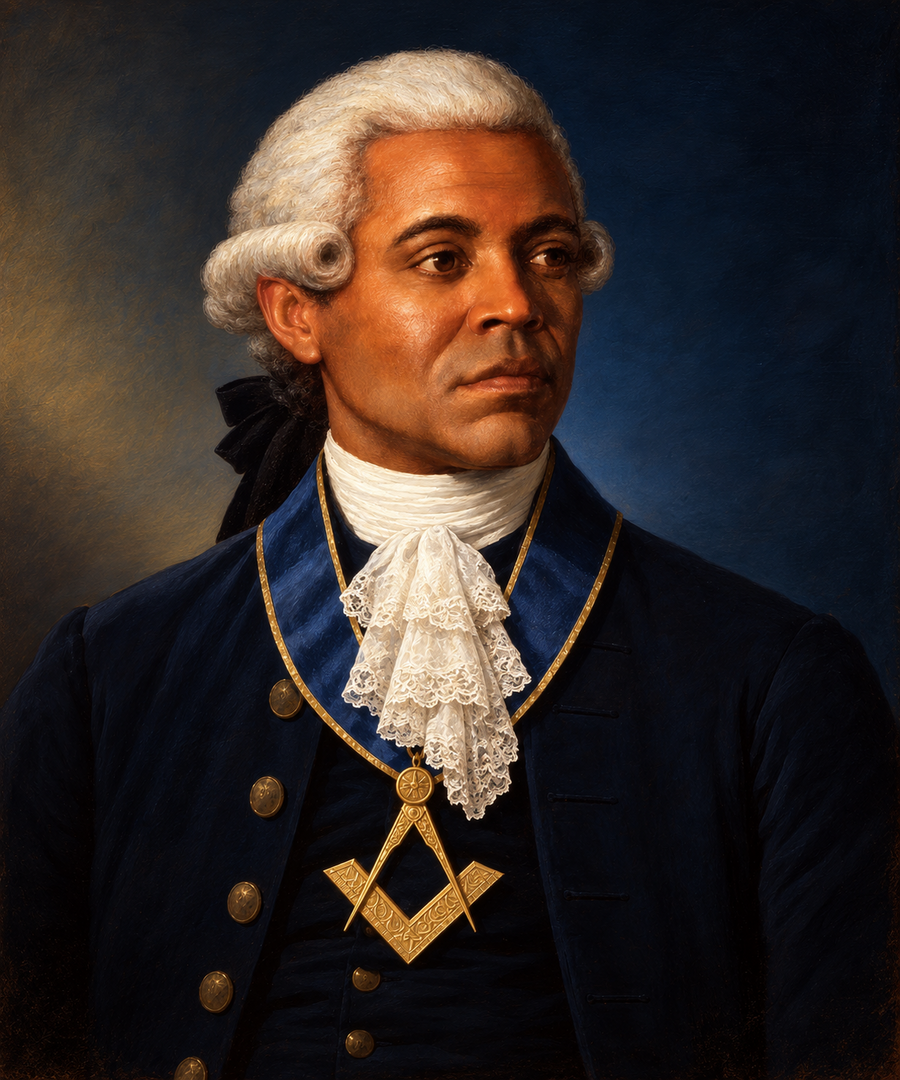
Prince Hall was born around 1735. The exact year is uncertain, and the Prince Hall Grand Lodge of Massachusetts recognizes 1738. As a young man he lived in the household of William Hall, a Boston leather dresser, and learned the trade. By 1770 he was a free man, literate, and known in the city as a skilled craftsman.
Hall joined the Congregational Church in 1762, owned his home, paid taxes, and voted. During the Revolution he supplied leather drumheads to a Boston artillery regiment. He used every standing he earned to advance the cause of free and enslaved Black Americans in Massachusetts.
In 1775 he was made a Mason, and the lodge he went on to lead would carry his name into every generation that followed.
A Voice for Freedom, Education, and Brotherhood
Prince Hall used the lodge and the petition as tools for justice. His public life set the pattern that Prince Hall Freemasonry still follows: faith, self-improvement, and service to the community.
Petition for Freedom
With other Black Bostonians, he petitioned the Massachusetts legislature to end slavery, calling on the same principles of liberty the Revolution was being fought for.
Petition for Schools
He asked the state to open schools for Black children whose families paid taxes. When the request was denied, he later started a school in his own home.
Petition Against Kidnapping
He protested the kidnapping of free Black Bostonians who were carried away and sold into slavery, urging the state to protect them.
The Charges
In his published Charges to African Lodge, he called his Brethren to dignity, patience, education, and an unwavering stand against slavery.
The lodge he built was more than a place of ritual. It was a platform for freedom, learning, and mutual support, and that purpose remains at the heart of Prince Hall Freemasonry.
African Lodge No. 459
Every Prince Hall Grand Lodge traces its lineage to one lodge in Boston. African Lodge No. 459 holds its place today under the Most Worshipful Prince Hall Grand Lodge of Massachusetts, the Grand Lodge that grew directly from it.
- 1775
- Prince Hall and fourteen other men of color are initiated on March 6 by Lodge No. 441 at Castle William in Boston Harbor.
- 1776
- African Lodge is organized on July 3 under a limited permit, with Prince Hall as Worshipful Master.
- 1784
- On September 29, the Premier Grand Lodge of England issues the charter that becomes African Lodge No. 459.
- Today
- The lodge is honored under the MWPHGL of Massachusetts, which periodically reopens it in a ceremonial gathering of Grand Masters from across the Prince Hall family.
From Legacy to Affiliation
If Prince Hall Affiliation has a source code, it was written in Boston. Each generation inherited it from the one before, and every PHA Grand Lodge still runs on it today.
- I
The Man
Prince Hall’s convictions of faith, freedom, education, and brotherhood become the purpose of the lodge.
- II
The Lodge
African Lodge No. 459 receives a lawful charter, the root of Prince Hall lineage and regularity.
- III
The Grand Lodge
African Grand Lodge forms in 1808 and later takes the name Prince Hall Grand Lodge, the mother Grand Lodge of the family.
- IV
The Family
New Grand Lodges are formed from that line in state after state, each sovereign in its own jurisdiction.
- V
The Affiliation
Lineage, regularity, and mutual recognition bind these Grand Lodges together as Prince Hall Affiliated Freemasonry.
Affiliation and Origin
Two terms are often confused. Both refer to Prince Hall’s legacy, but they describe different relationships.
PHA Prince Hall Affiliated
Grand Lodges that trace their lineage to African Lodge No. 459 and are part of the recognized family of Prince Hall Grand Lodges.
- Represented in the Conference of Grand Masters of Prince Hall Masons
- Generally one Prince Hall Grand Lodge per state or jurisdiction
- Widely recognized by mainstream Grand Lodges in the United States and by the United Grand Lodge of England
PHO Prince Hall Origin
A term used for organizations that also claim descent from African Lodge No. 459 but are not part of the Prince Hall Affiliated family.
- Not affiliated with the Conference of Grand Masters of Prince Hall Masons
- Many operate under a separate national grand lodge structure
- Not generally recognized as regular by PHA or mainstream Grand Lodges
Anyone seeking membership or verifying a lodge should confirm that the lodge holds a charter from its state’s Prince Hall Affiliated Grand Lodge. The PHA Grand Lodge Directory lists each one.
All PHA Lodges Are F&AM, but Not All F&AM Lodges Are PHA
F&AM stands for Free and Accepted Masons, the Masonic tradition practiced by Prince Hall Affiliated Lodges. PHA, or Prince Hall Affiliated, identifies a particular Masonic lineage and jurisdictional heritage within that broader tradition, tracing its roots to Prince Hall and African Lodge No. 459.
The distinction matters because F&AM is not exclusive to Prince Hall Affiliated Freemasonry. Other regular Masonic jurisdictions also use the F&AM designation, and the letters alone do not establish Prince Hall Affiliation.
A Lodge is PHA because of its lineage and lawful chartering authority, not simply because it uses F&AM, the Square and Compasses, the name Prince Hall, or other familiar Masonic titles and symbols. To determine whether a Lodge is truly Prince Hall Affiliated, look to the sovereign Grand Lodge under which it is chartered and the Masonic lineage from which that Grand Lodge derives its authority.
These Alone Do Not Make a Lodge PHA
- The letters F&AM
- The Square and Compasses
- The name Prince Hall
- Familiar Masonic titles and symbols
What Makes a Lodge PHA
- A lawful charter from a sovereign Prince Hall Affiliated Grand Lodge
- A Masonic lineage that traces to Prince Hall and African Lodge No. 459
Prince Hall Freemasonry in America
From a single lodge in Boston, Prince Hall Freemasonry grew into a nationwide family of Grand Lodges.
- 1775
Initiation
Prince Hall and fourteen other free Black men are initiated by Lodge No. 441, a military lodge under the Grand Lodge of Ireland attached to a British regiment near Boston.
- 1776
African Lodge Organized
On July 3, African Lodge is organized under a limited permit, with Prince Hall as Worshipful Master.
- 1784
The Charter
On September 29, the Premier Grand Lodge of England issues a charter for African Lodge, later numbered African Lodge No. 459.
- 1791
Provincial Grand Master
Prince Hall is named Provincial Grand Master, giving him authority to establish new lodges.
- 1797
Expansion
Lodges are organized in Philadelphia, Pennsylvania, and Providence, Rhode Island.
- 1807
Passing of Prince Hall
Prince Hall dies on December 4 and is buried at Copp’s Hill Burying Ground in Boston.
- 1808
African Grand Lodge
The lodges of Boston, Philadelphia, and Providence join together to form the African Grand Lodge.
- 1827
Independence
African Grand Lodge declares its independence and continues as a self governing Grand Lodge.
- 1847
The Name Prince Hall
African Grand Lodge takes the name Prince Hall Grand Lodge in honor of its founding Grand Master. Prince Hall Grand Lodges spread across the nation in the decades that follow.
The First Brethren
Prince Hall did not walk this road alone. Fourteen other free Black men were initiated with him by Lodge No. 441 in Boston, and together they became the founding members of African Lodge.
- Cyrus Johnbus
- Bueston Slinger
- Prince Rees
- John Canton
- Peter Freeman
- Benjamin Tiber
- Duff Ruform
- Thomas Santerson
- Prince Rayden
- Cato Speain
- Boston Smith
- Peter Best
- Fortin Howard
- Richard Titley
Spellings of these names vary among historical records. They are shown here as most commonly given in Prince Hall histories.
Notable Prince Hall Masons
Across more than two centuries, Prince Hall Masons have led in faith, education, law, business, the arts, and the struggle for civil rights.
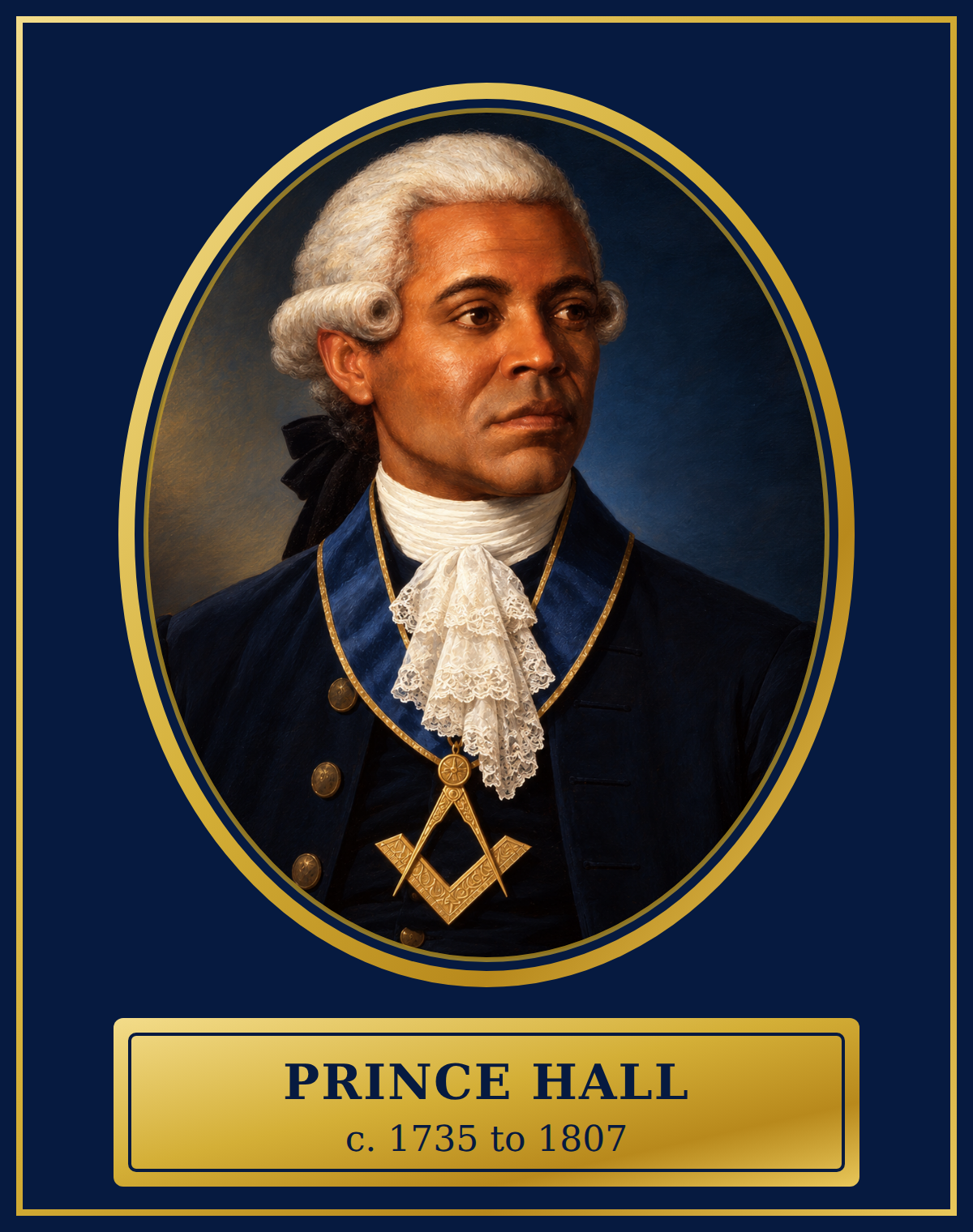
Prince Hall
Founder of African Lodge and first Grand Master. Abolitionist and advocate for education.
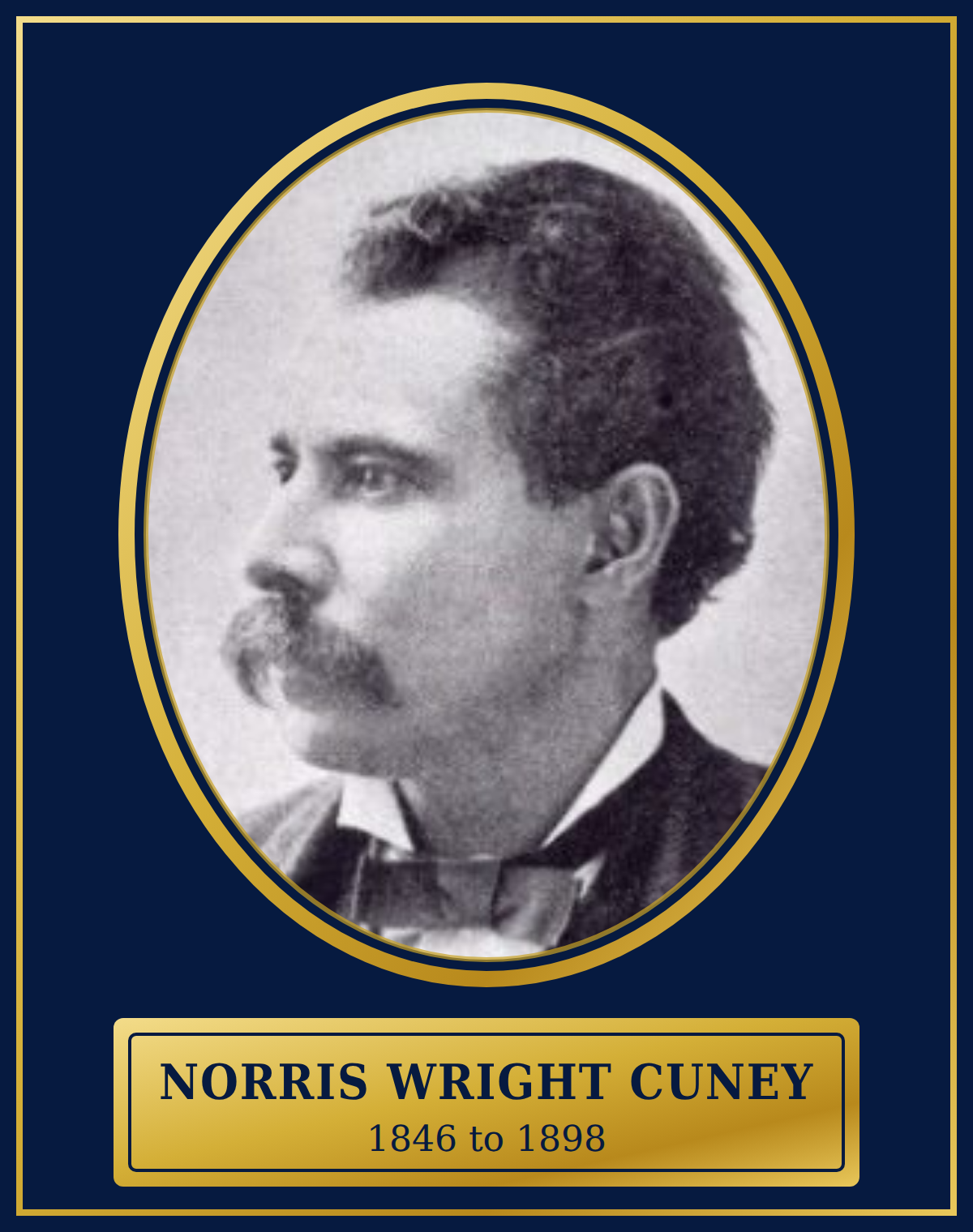
Norris Wright Cuney
Texas political, business, and labor leader. Served as Grand Master in Texas.
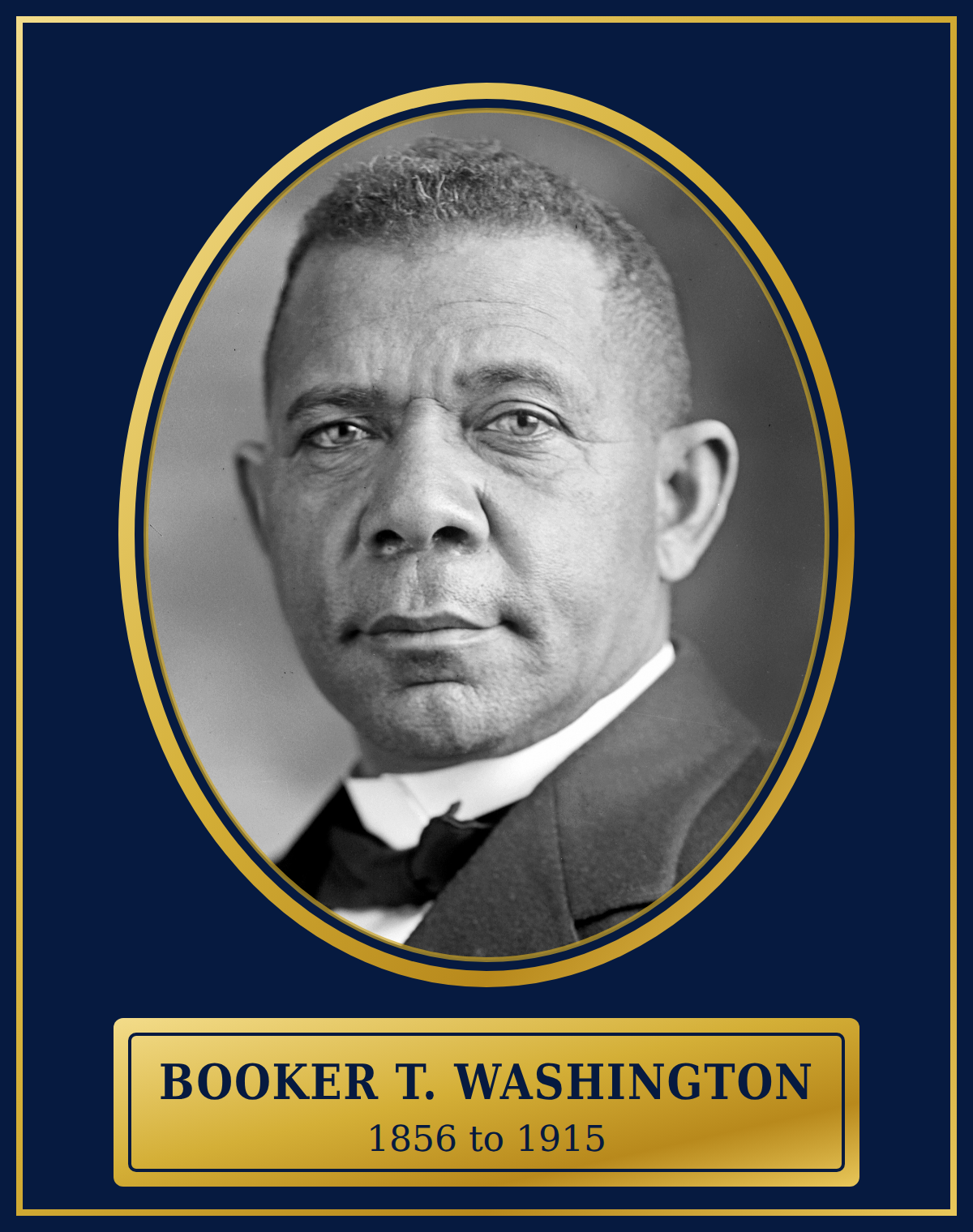
Booker T. Washington
Educator and founding principal of Tuskegee Institute.
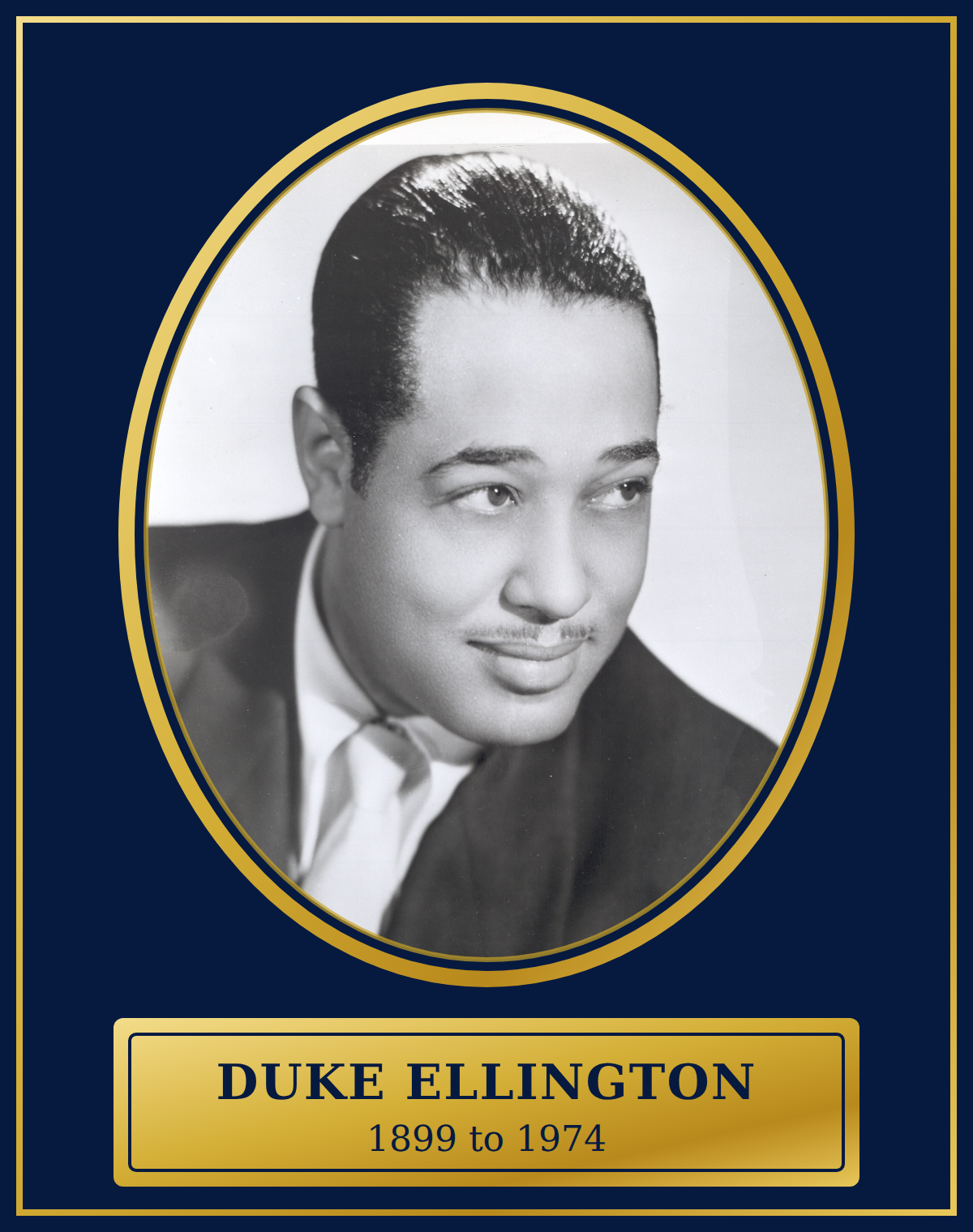
Duke Ellington
Composer, pianist, and bandleader, one of the great figures of American music.
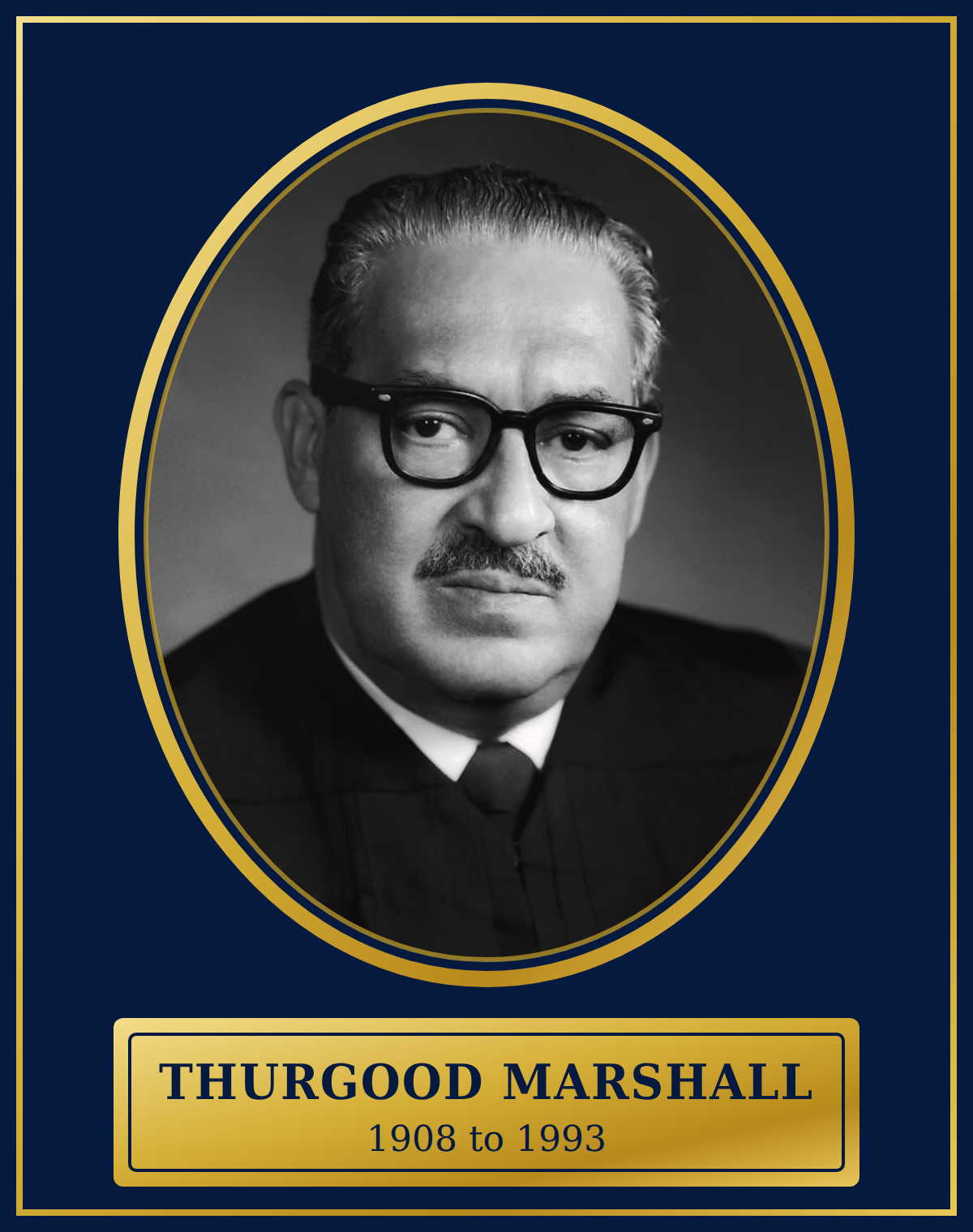
Thurgood Marshall
Civil rights attorney and the first African American Justice of the U.S. Supreme Court.
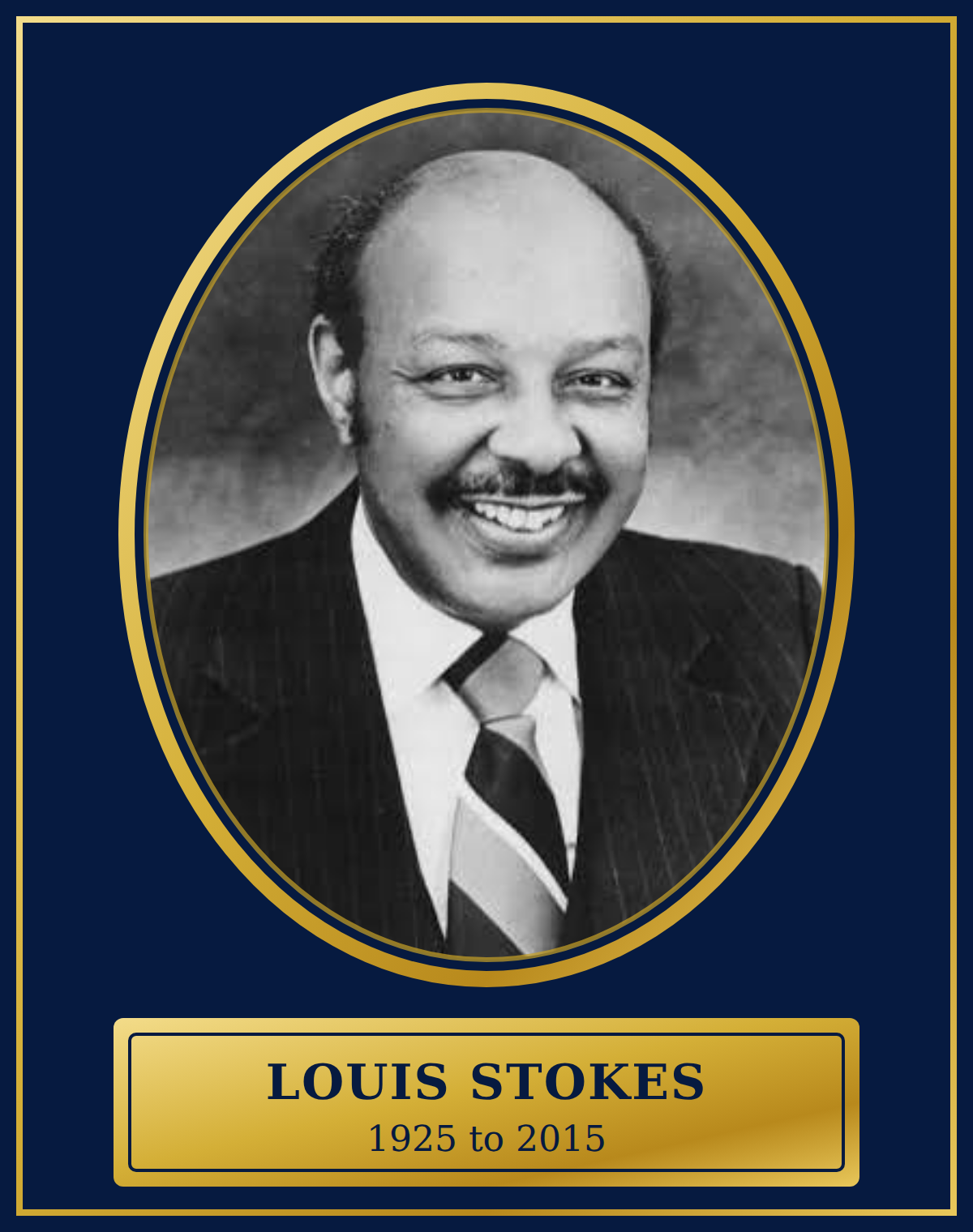
Louis Stokes
The first African American member of Congress from Ohio, serving fifteen terms in the House.
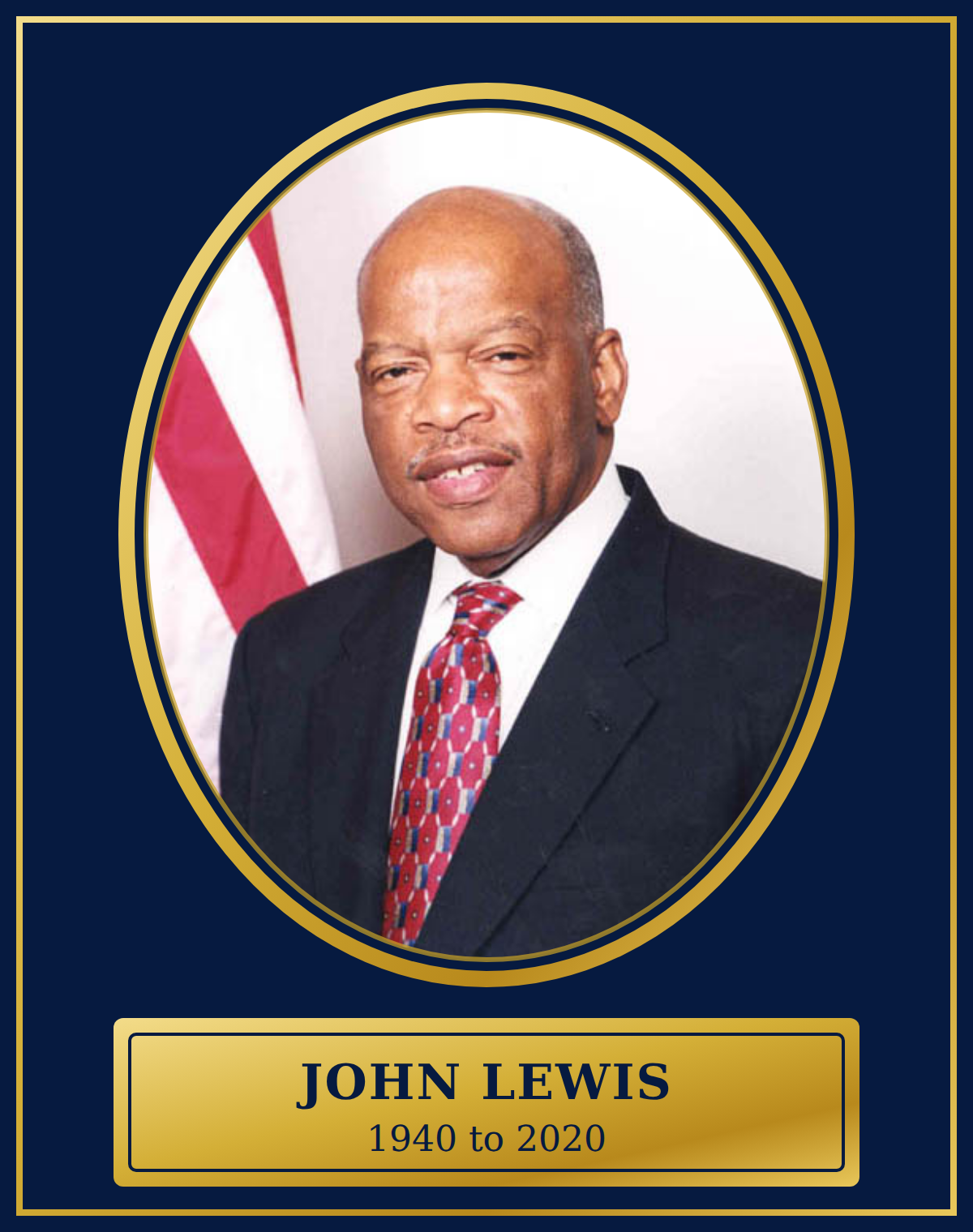
John Lewis
Civil rights leader and chairman of SNCC, later a U.S. Representative from Georgia for more than thirty years.
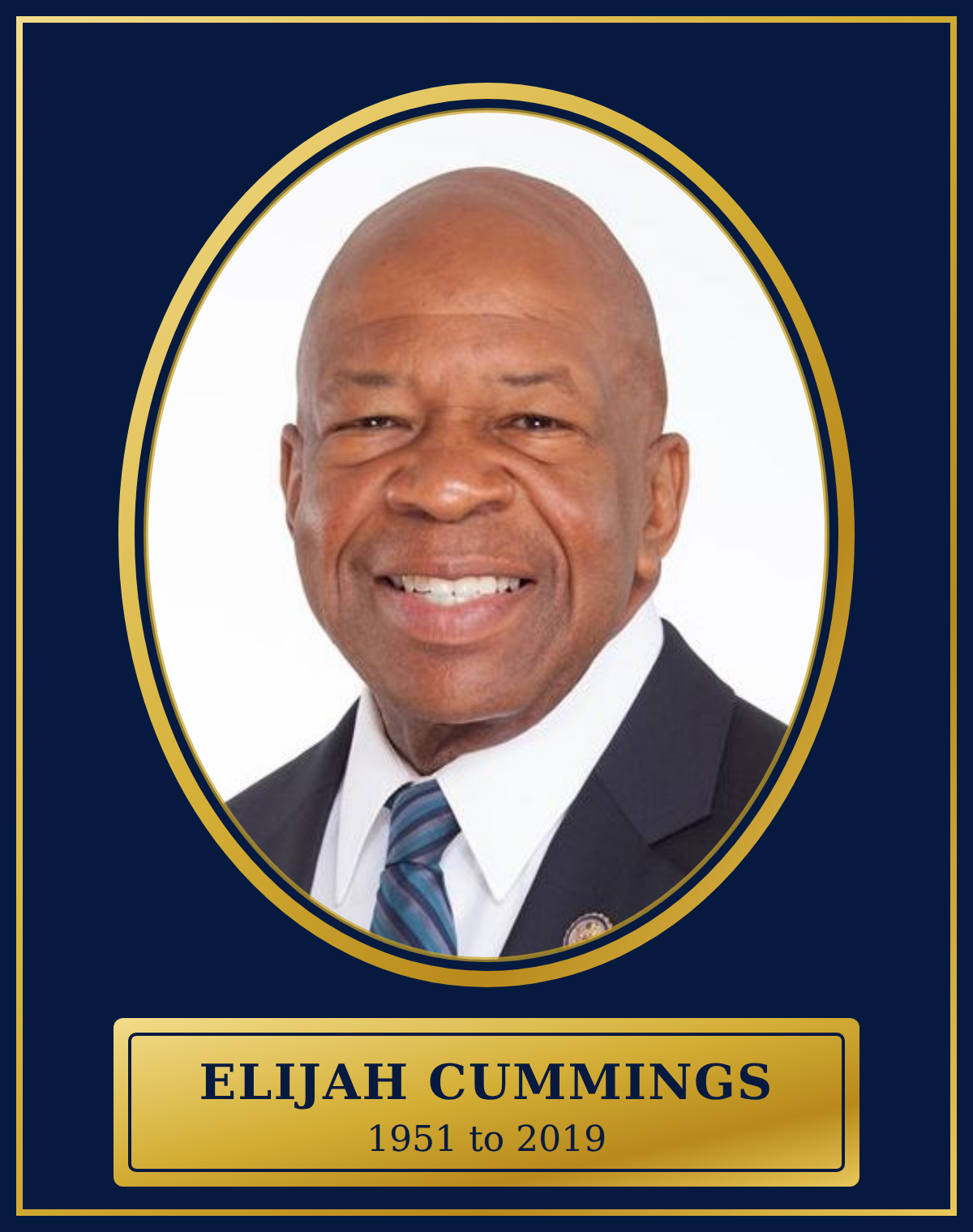
Elijah Cummings
U.S. Representative from Maryland and chairman of the House Committee on Oversight and Reform.
From Separation to Amity
For much of American history, Prince Hall and mainstream Grand Lodges worked separately. Beginning in the late twentieth century, formal recognition began to change that.
First Modern Recognition
Connecticut becomes the first regular Grand Lodge in the modern era to grant full recognition to a Prince Hall Grand Lodge.
The United Grand Lodge of England
The United Grand Lodge of England recognizes the Most Worshipful Prince Hall Grand Lodge of Massachusetts.
Widespread Amity
The large majority of mainstream U.S. Grand Lodges now recognize their Prince Hall Affiliated counterparts, allowing fellowship and visitation between them.
Glossary
Words you will see throughout this site and in discussions of Prince Hall Affiliation.
- Grand Lodge
- The governing body of Freemasonry within a state or jurisdiction, which charters and oversees its local lodges.
- Jurisdiction
- The territory, usually a state, over which a Grand Lodge holds Masonic authority.
- Lineage
- The documented chain of charters connecting a lodge or Grand Lodge to its source of authority.
- Regularity
- Whether a Grand Lodge is lawfully formed and follows the established landmarks and practices of Freemasonry.
- Recognition
- A formal act by which one Grand Lodge acknowledges another as regular and legitimate.
- Amity
- The friendly relationship between Grand Lodges that recognize one another, often allowing members to visit.
- Charter (Warrant)
- The document granting a lodge the authority to meet and confer Masonic degrees.
- Clandestine
- A term for a lodge or Grand Lodge operating without legitimate authority or recognition.
Affiliated Bodies
Beyond the Grand Lodges, a family of appendant and concordant bodies also carries the Prince Hall Affiliated designation. Each is rooted in membership in, or family relationship to, a Prince Hall Affiliated Master Mason in good standing, and each works under its own governing body.
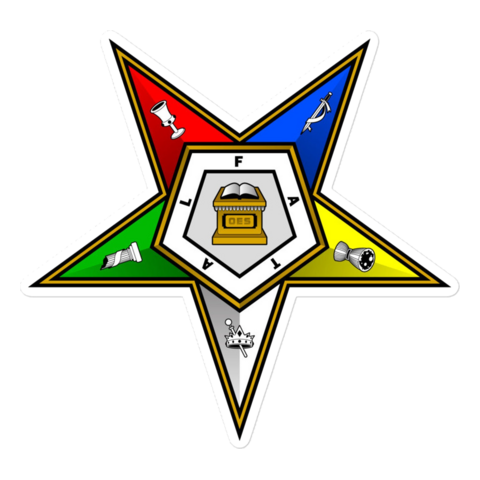
Order of the Eastern Star
An order of Master Masons and their female relatives, devoted to charity, fellowship, and moral lessons drawn from scripture. Organized in Chapters.
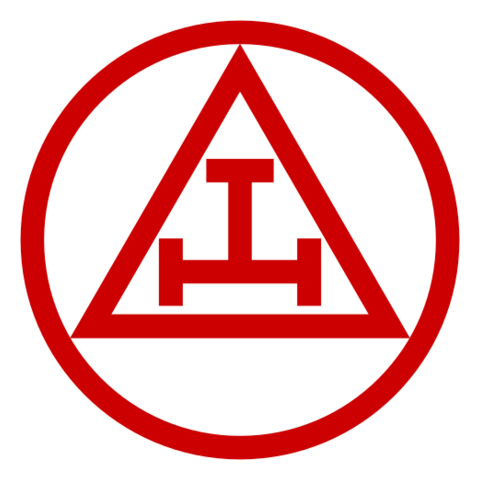
Holy Royal Arch Masons
Continues the story begun in the Master Mason degree and completes it. The first body of the York Rite, organized in Chapters.
Royal and Select Masters
Known as Cryptic Masonry, these degrees fill in the story of the Temple between the Master Mason and Royal Arch degrees. Organized in Councils.
Knights Templar
Christian orders of chivalry that complete the York Rite, open to Royal Arch Masons. Organized in Commanderies.

Ancient and Accepted Scottish Rite
Confers the 4th through 32nd degrees, with the 33rd conferred as an honor. Prince Hall Scottish Rite Masonry is organized under United Supreme Councils for its Northern and Southern Jurisdictions.
Ancient Egyptian Arabic Order Nobles Mystic Shrine
The Prince Hall Shrine, known as the AEAONMS, open to 32nd degree Scottish Rite Masons and Knights Templar, and known for fellowship and charity.
Heroines of Jericho
An adoptive order for Royal Arch Masons and their female relatives, working in Courts under the Royal Arch.
Daughters of Isis
The auxiliary of the Prince Hall Shrine, open to female relatives of Nobles of the AEAONMS.
In Development A dedicated page with information about each of these bodies is being prepared.
Becoming a Prince Hall Mason
Prince Hall Affiliated Freemasonry is open to good men of every race and every faith. While each Grand Lodge sets its own requirements, the general qualifications below are shared across Prince Hall Affiliated jurisdictions.
- A ManMembership in a Prince Hall lodge is open to men.
- Of Lawful AgeThe minimum age is set by each Grand Lodge, commonly between 18 and 21.
- Belief in a Supreme BeingA candidate must believe in God. No particular religion is required.
- Of Good CharacterHe must be of good moral character and good standing in his community.
- Of His Own Free WillHe must seek membership freely, without pressure or persuasion from others.
- Recommended by MembersHis petition must be recommended by Master Masons of the lodge he wishes to join.
2B1ASK1
To Be One, Ask One
Freemasons do not recruit. By long tradition, a man who wishes to become a Mason must ask. Begin with the Prince Hall Affiliated Grand Lodge of the state or jurisdiction where you live. Its website will explain how to contact a local lodge and how the petition process works there.
Find Your Jurisdiction’s Grand LodgeWhat You Will Find Here
These resources are being researched and prepared now. Each will be published as it is completed and verified.
Facts & Misconceptions
Separate documented fact from common misconceptions about Freemasonry and Prince Hall Affiliation. Explore frequently misunderstood aspects of the Craft and learn how Masonic lineage, recognition, and jurisdiction help distinguish legitimate Prince Hall Affiliated Freemasonry from organizations that may imitate its name, symbols, traditions, or identity.
Sources and Documents
Primary records, charters, and scholarly references behind the history presented here.
Frequently Asked Questions
Clear answers on membership, verifying a lodge, recognition, and what PHA means in practice.